A manual bar screen is a type of mechanical screen used in water treatment plants to remove large debris and particles from raw water before it enters the treatment process. Unlike automatic or mechanically cleaned bar screens, manual bar screens require human intervention for the removal of debris. Here are the specifications and key features typically associated with manual bar screens:
Design and Construction:
Bar Rack Structure:
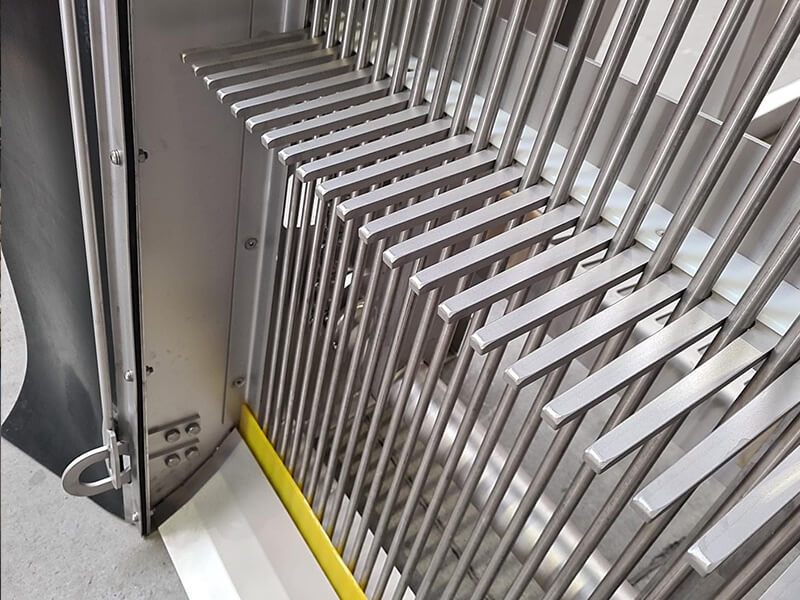
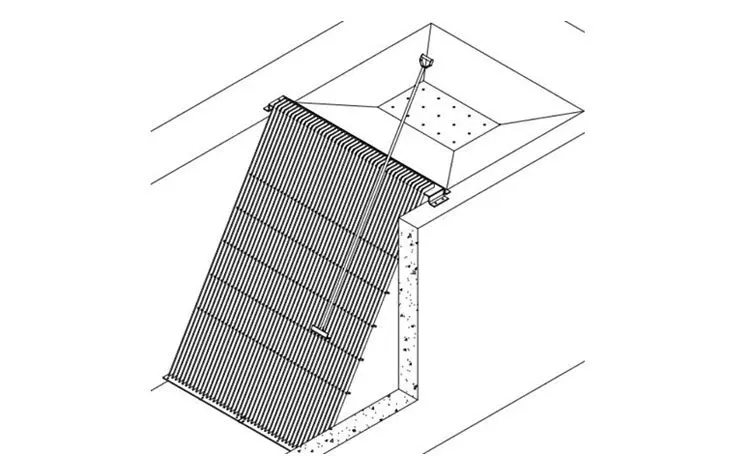
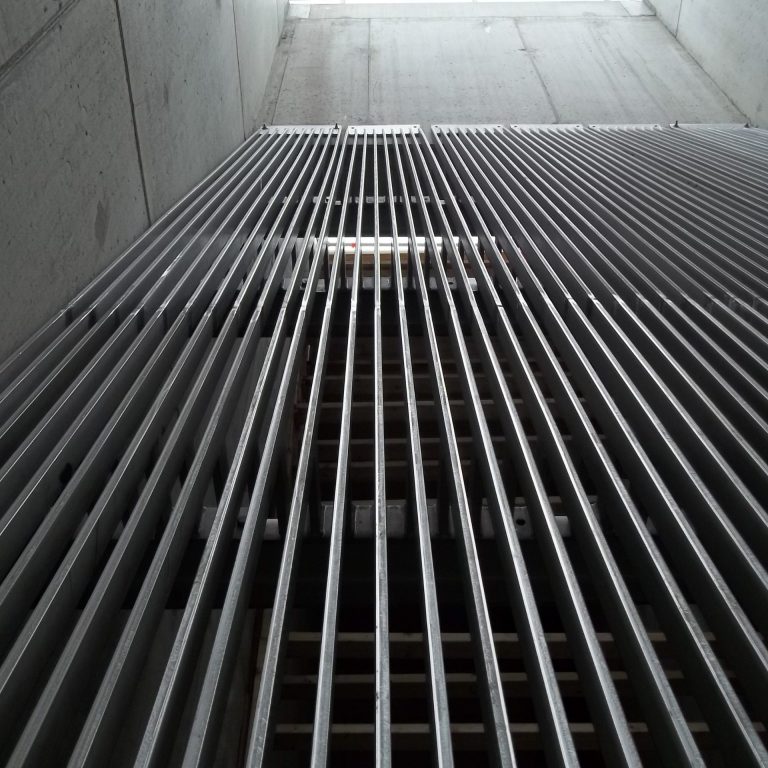
Manual bar screens consist of a sturdy frame with a bar rack or grating structure. The bar rack is typically made of durable materials such as stainless steel to resist corrosion.
Manual Operation:
Manual bar screens are operated by hand, requiring personnel to physically engage with the screen for the removal of captured debris. This manual operation distinguishes them from automatic or self-cleaning screens.
Bar Screen Characteristics:
Varied bar spacing, thickness, and profiles for optimal performance.
Installation and Configuration:
Inlet Configuration:
Manual bar screens are typically installed at the inlet of water treatment facilities, positioned to intercept and capture debris as water enters the treatment process.
Access and Maintenance:
Manual bar screens are designed to allow easy access for maintenance activities. This includes the removal of captured debris, cleaning of the bar rack, and general inspections.
Operation and Maintenance:
Manual Cleaning:
Personnel manually clean the bar screen by removing captured debris using tools such as rakes or brushes. This is typically done at regular intervals or as needed based on the accumulation of debris.
Inspection:
Routine inspections are conducted to assess the condition of the bars, check for any signs of wear or damage, and ensure proper functionality.