Flocculation Process in Potable/Municipal Water Treatment Plants:

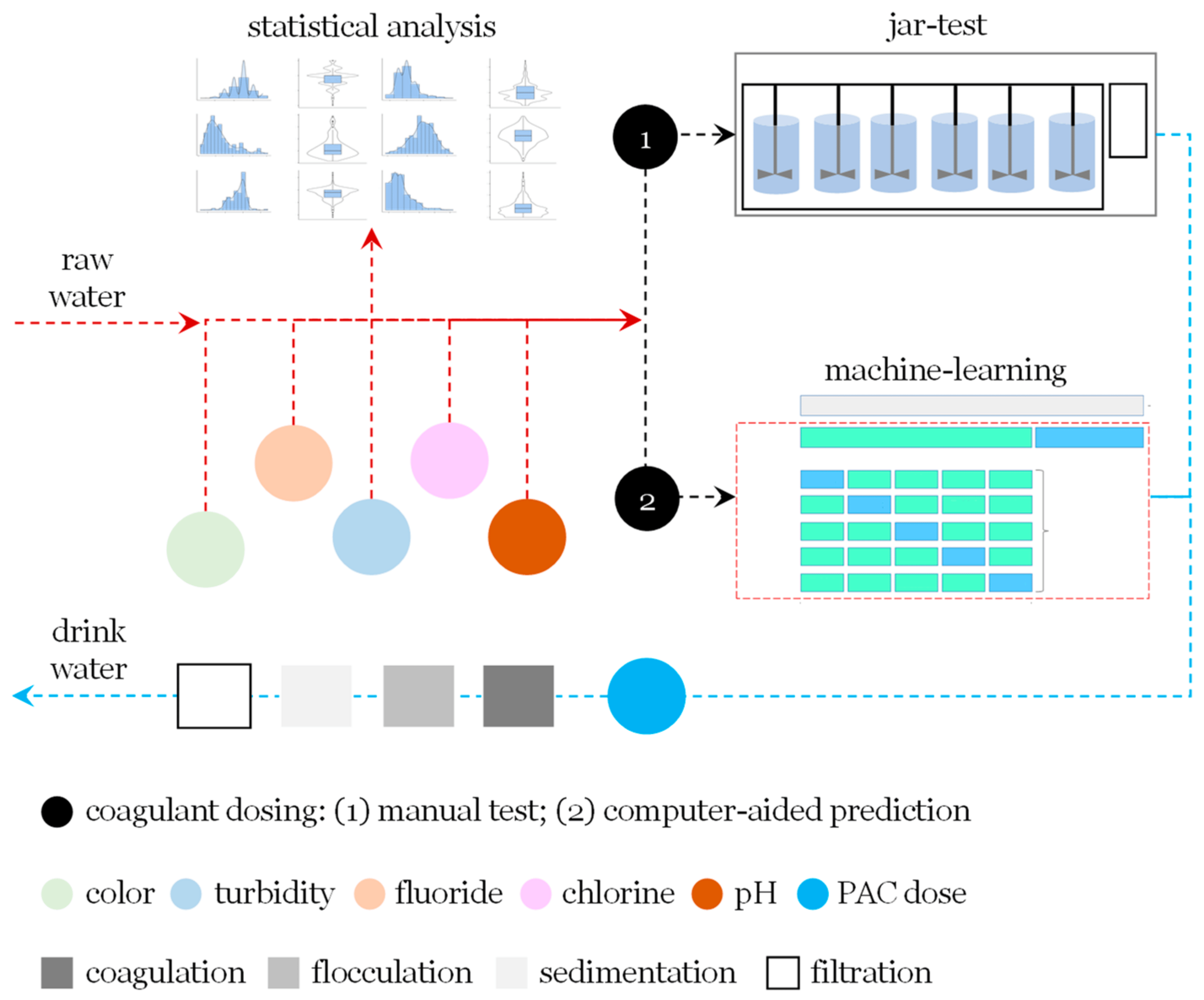
Flocculation, following coagulation, involves gentle stirring to encourage the formation of larger flocs from destabilized particles. It aims to enhance agglomeration for improved settling during sedimentation, contributing to further water clarification. The primary objective of flocculation is to enhance the agglomeration of particles, making them larger and more easily settleable during sedimentation. This process is crucial for achieving further clarification of the water before it undergoes additional treatment steps.

Components and Materials Needed for the Flocculation Process:

  1. Flocculation Tanks or Basins:
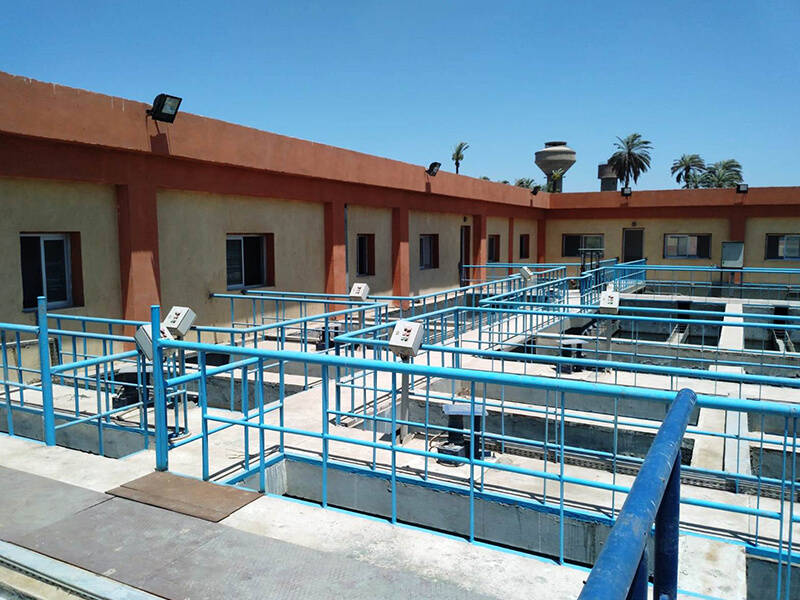
    • Description: Flocculation tanks or basins provide the environment for the gentle mixing required for floc formation.
    • Material: Tanks are typically constructed from materials resistant to corrosion and suitable for contact with treated water, such as concrete or coated steel.
  2. Mixing Equipment:
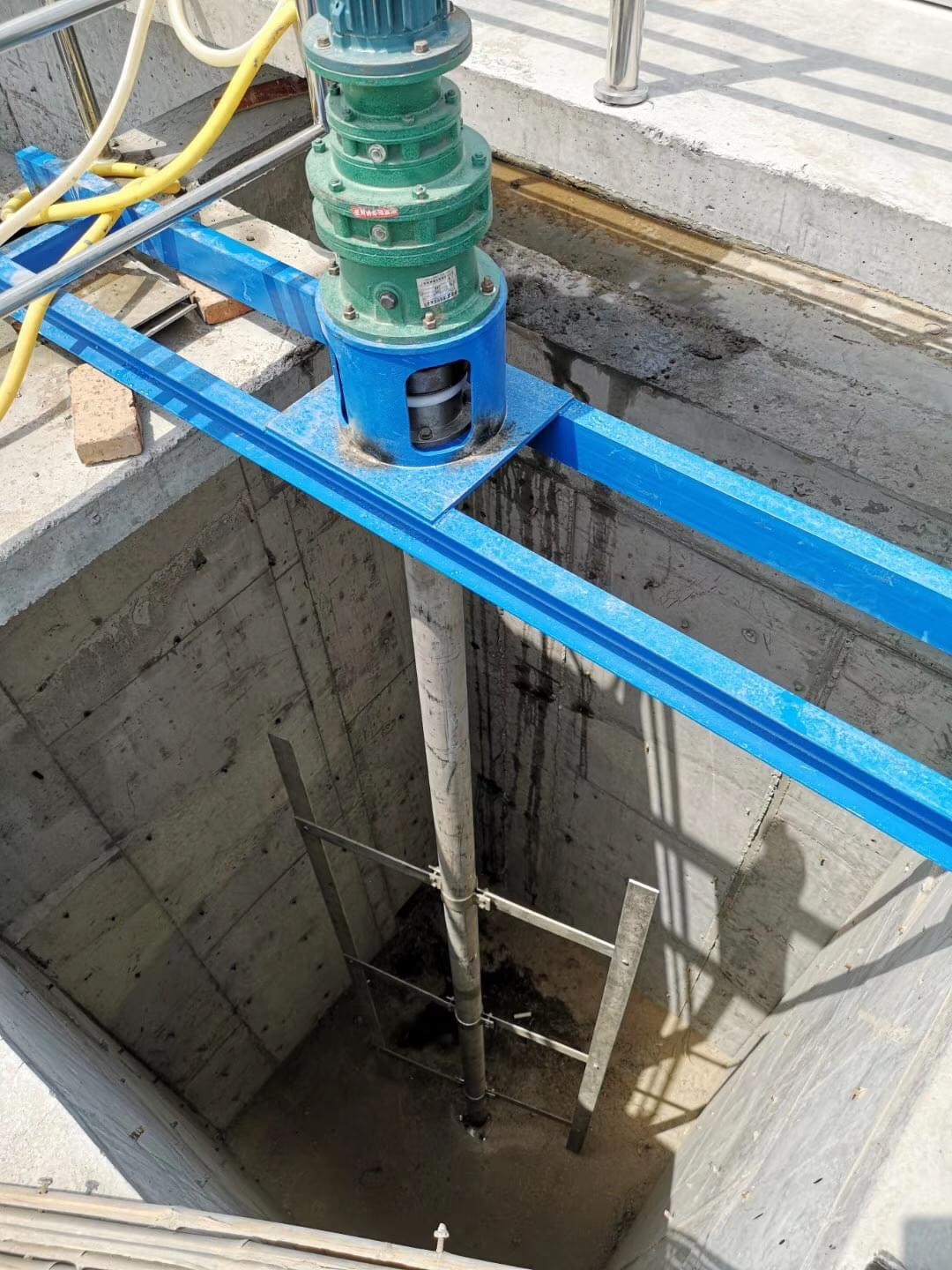
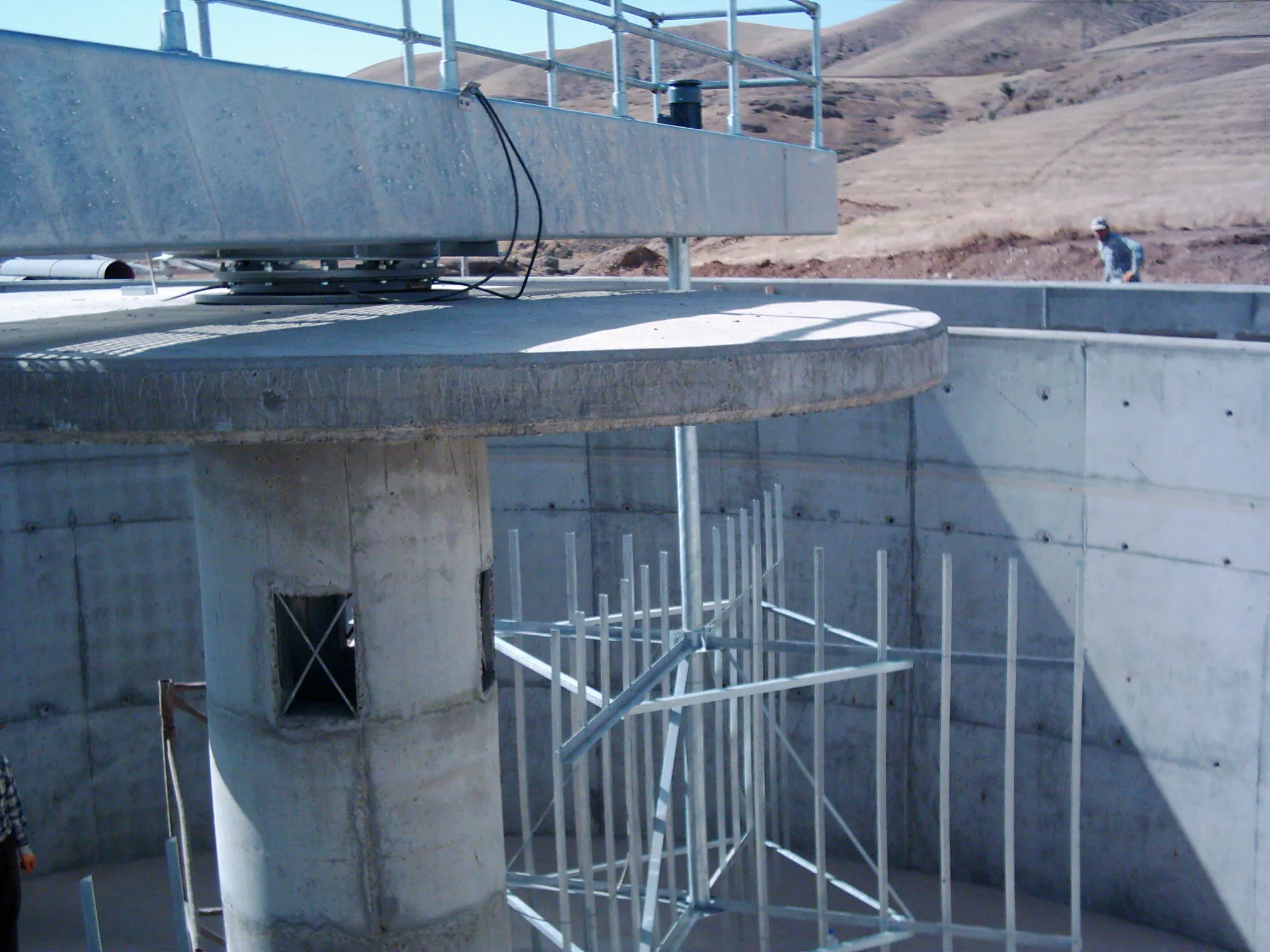
    • Gentle/Slow Mixer: Flocculators are mechanical devices or paddles designed to gently mix the water in flocculation tanks. They provide the necessary energy for floc growth without breaking up the larger particles.
    • Material: Mixing equipment is often made from corrosion-resistant materials such as stainless steel.
  3. Monitoring and Control Systems:
    • Flow Measurement and Control: Systems for monitoring and controlling the flow of water through the flocculation tanks to ensure the desired detention time.
    • Material: Control systems include instrumentation made from materials suitable for water treatment environments.


Factors Influencing Flocculation Effectiveness:

  1. Intensity and Duration of Mixing
  2. Detention Time
  3. Presence of Flocculation Aids
  4. Water Temperature


Importance of Flocculation:

  1. Floc Formation:
    • Flocculation encourages the formation of larger flocs, which are essential for efficient sedimentation in the subsequent clarification process.
  2. Settling Enhancement:
    • Larger and denser flocs settle more readily during sedimentation, improving the overall removal of particles from the water.
  3. Clarification Improvement:
    • Effective flocculation contributes to the production of clearer water, setting the stage for subsequent treatment steps such as filtration.
  4. Filtration Efficiency:

By promoting the formation of settleable flocs, flocculation enhances the efficiency of downstream filtration processes.