Sludge in Water Treatment: A Comprehensive Overview

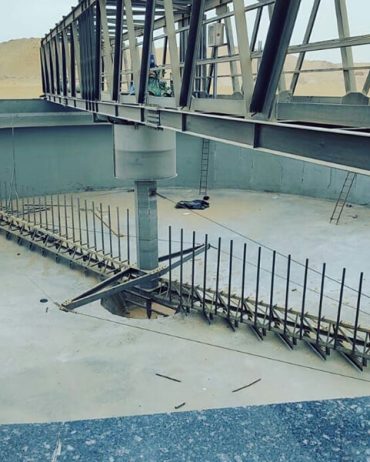
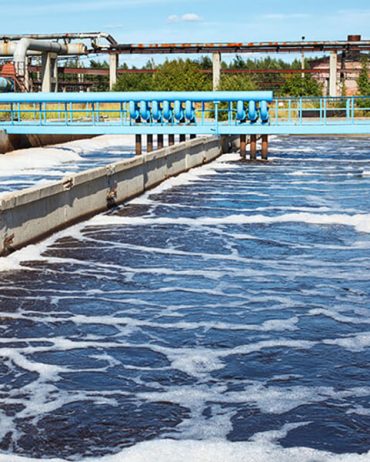
In the realm of water treatment, sludge is the residual semi-solid material left behind after the application of various water treatment processes. It encompasses solid particles, organic and inorganic materials, microorganisms, and other substances that have been separated from water during treatments like sedimentation, coagulation, flocculation, and filtration.
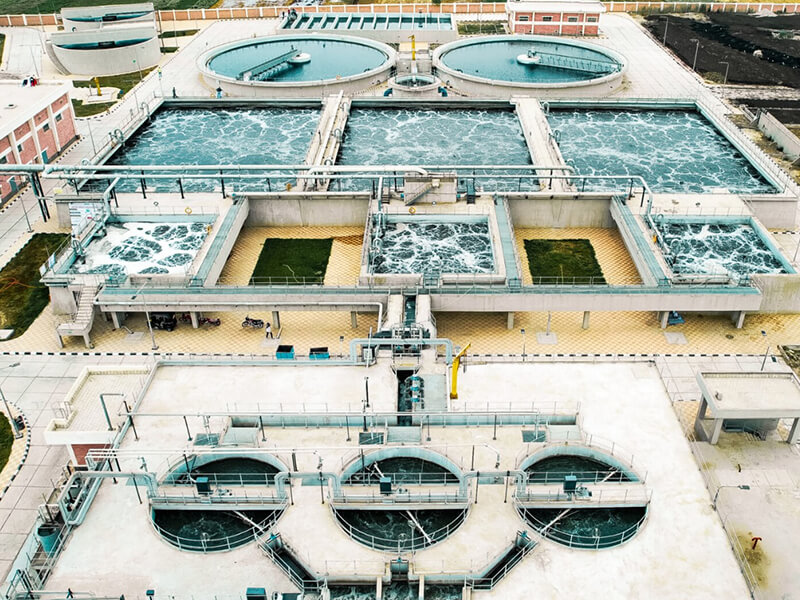

Sludge Treatment Process:

  1. Thickening:
    • Objective: Increase solids concentration in the sludge.
    • Methods: Gravity settling, centrifugation, or other efficient techniques.
  2. Stabilization:
    • Objective: Reduce biodegradability and control odors.
    • Methods: Aerobic digestion, anaerobic digestion, and lime stabilization.
  3. Dewatering:
    • Objective: Further reduce water content for easier handling and disposal.
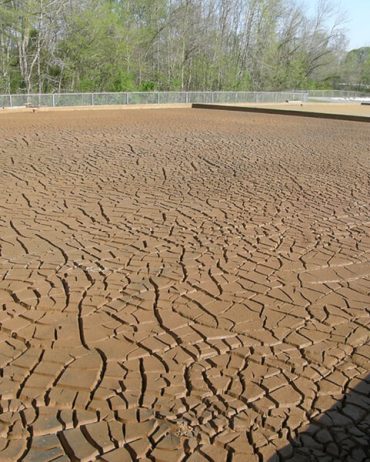
    • Methods: Centrifugation, belt filter presses, and drying beds.
  4. Disposal or Reuse:
    • Objective: Efficiently manage the treated sludge.
    • Methods:
      • Landfilling: Safe disposal in designated areas.
      • Incineration: Thermal treatment for volume reduction.
      • Land Application: Beneficial reuse in agriculture.
      • Biogas Generation: Utilize generated biogas as an energy source.

Tikal’s Service Offerings in Sludge Management:

Tikal stands at the forefront of sludge management, offering a holistic suite of services and cutting-edge products to ensure the responsible and efficient treatment of sludge generated in water treatment processes. Our commitment extends from identifying innovative technologies to maintaining operational excellence throughout the sludge treatment lifecycle.