Water hammer, also known as hydraulic shock, is a phenomenon that occurs in water distribution systems when there is a sudden change in the velocity of water flow. This change in velocity can result from rapid valve closure, pump startups or shutdowns, or sudden changes in flow direction. Water hammer manifests as a pressure surge or shock wave that travels through the piping system, leading to potential damage to pipes, valves, and other components.
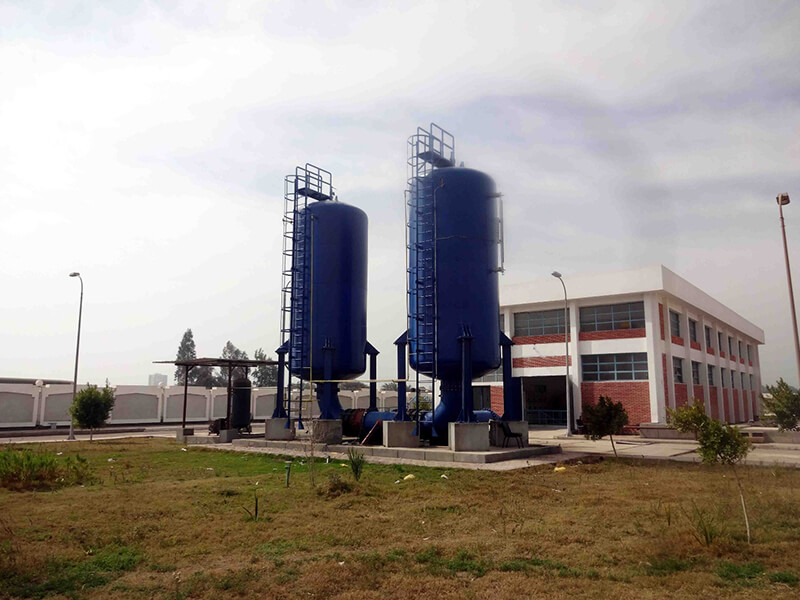

Tikal design Features:

  1. Pressure Surges: Water hammer results in rapid changes in pressure within the piping system.
  2. Shock Waves: The phenomenon generates shock waves that can travel through the pipes.
  3. Noise Generation: Water hammer often produces audible noise, which can be used as an indicator of its occurrence.
  4. Potential for Damage: If not properly managed, water hammer can cause damage to pipes, fittings, and other system components.


Water hammer advantage:

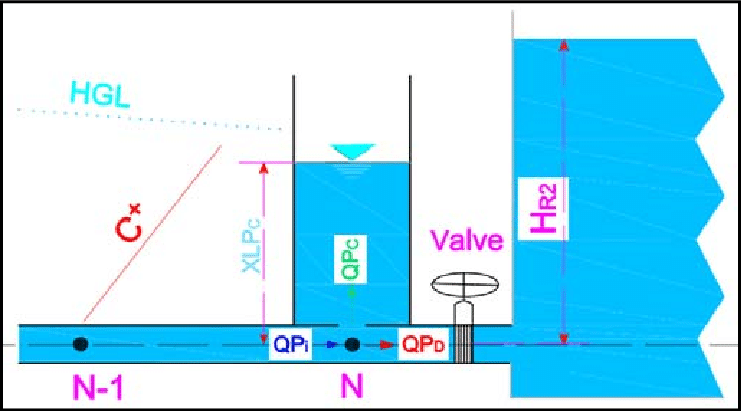
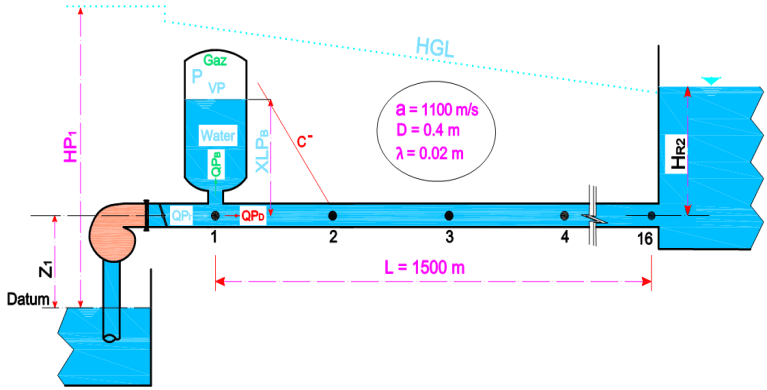
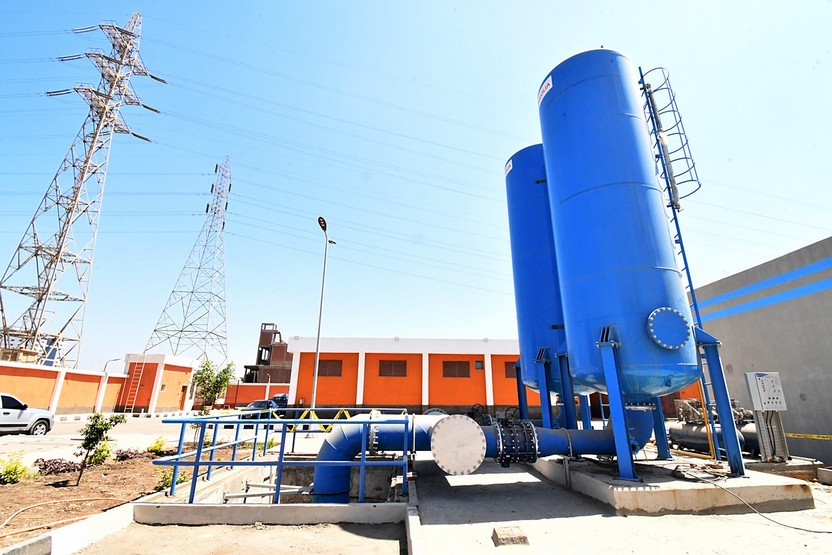
Tikal Surge tanks, also known as expansion tanks or water hammer arrestors, are designed to mitigate the effects of water hammer in a water treatment system.

Tikal Surge tanks provide a cushion or reservoir for absorbing excess pressure and preventing damage.

Key advantages include:

  • Pressure Regulation: Surge tanks help regulate and stabilize pressure fluctuations caused by water hammer.
  • Protection of System Components: By absorbing excess pressure, surge tanks protect pipes, valves, and other system components from potential damage.
  • Noise Reduction: Surge tanks can contribute to reducing the noise associated with water hammer, providing a quieter operation.
  • Enhanced System Reliability: The use of surge tanks enhances a water treatment system’s overall reliability and longevity by minimizing the impact of pressure surges.


Tikal Considerations in Surge Tank Design:

  1. Volume: The size of the surge tank should be designed to accommodate the expected pressure surge.
  2. Location: Surge tanks should be strategically located in the system to be effective in absorbing and regulating pressure fluctuations.
  3. Materials: Surge tanks must be constructed from materials compatible with the water being treated to prevent corrosion or contamination


Tikal provide 3 Types of Tanks:


  1. Open Surge Tank:
    • Description: An open surge tank is an exposed tank that allows air to be in direct contact with the water.
    • Operation: Air entrained in the water provides the compressibility needed to absorb pressure surges.
    • Application: Commonly used in systems where space is not a limitation, such as wastewater treatment plants.
  2. Closed Surge Tank:
    • Description: A closed surge tank is sealed, and the air and water are separated by a diaphragm or bladder.
    • Operation: The diaphragm or bladder acts as a flexible barrier, providing compressibility to absorb pressure surges.
    • Application: Suitable for systems where space is limited, and there is a need to prevent air contact with the water, such as in potable water distribution systems.
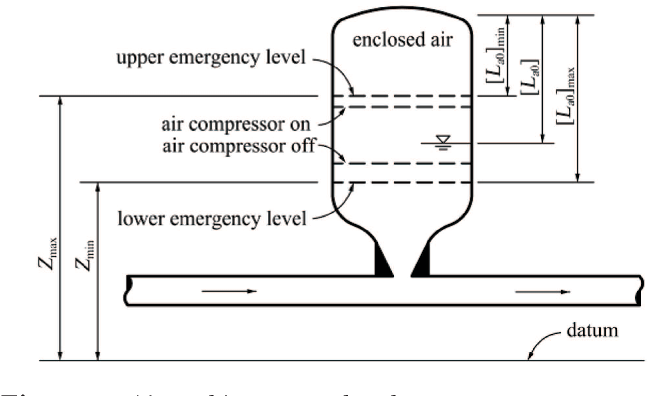
  3. Air Chamber:
    • Description: An air chamber is a simple, vertical pipe installed in the system with an air pocket at the top.
    • Operation: The air pocket allows for the compression of air, providing a cushion against pressure surges.
    • Application: Commonly used in residential plumbing systems to reduce water hammer effects.