Sludge Drying Beds: A Natural Approach

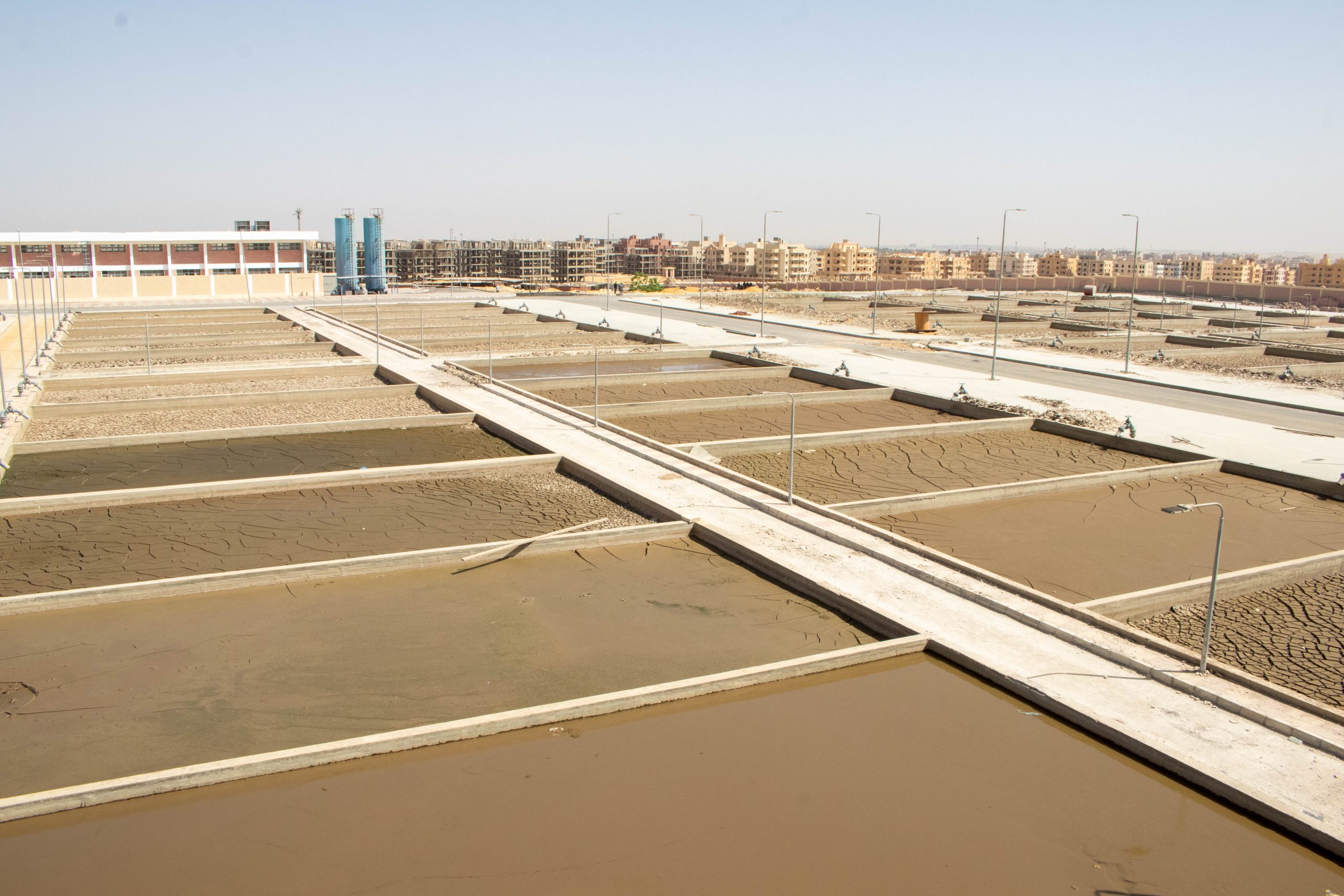
Sludge drying beds, are an effective and environmentally friendly method for dewatering and drying sludge in wastewater treatment. These beds use natural processes, such as gravity drainage, evaporation, and exposure to sunlight and air, to remove water from sludge, resulting in a solid material suitable for disposal.
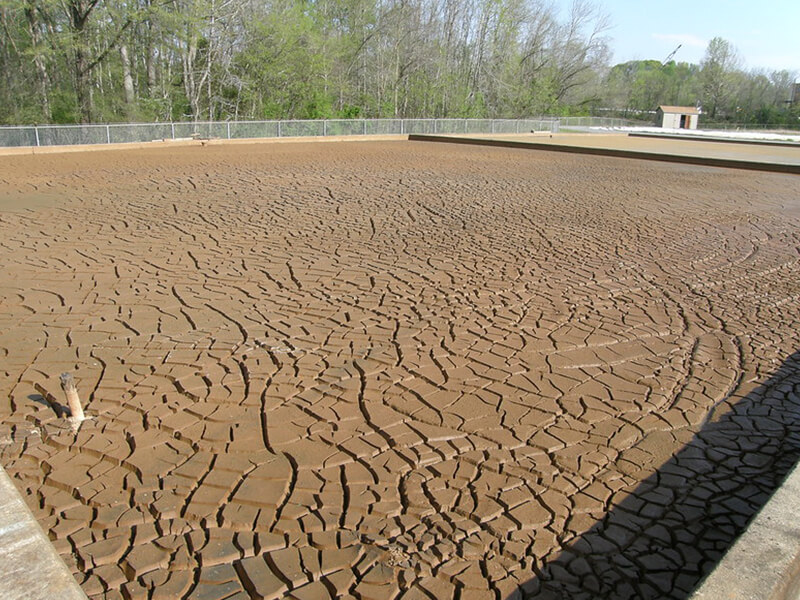

Design Characteristics:

  1. Bed Construction:
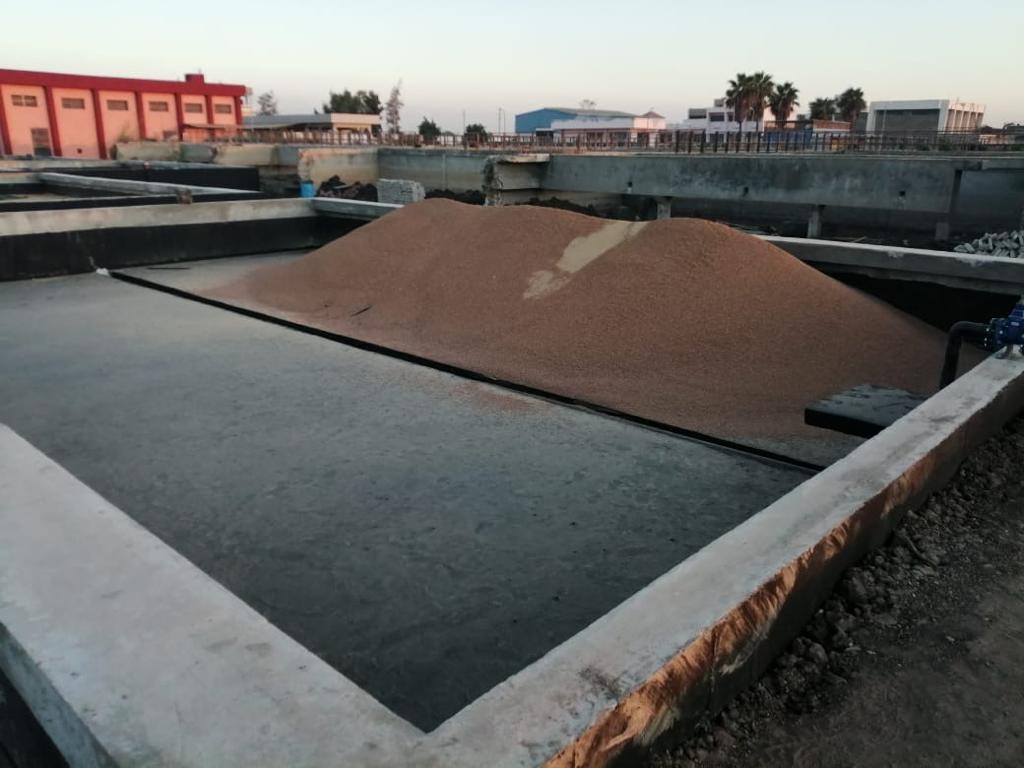
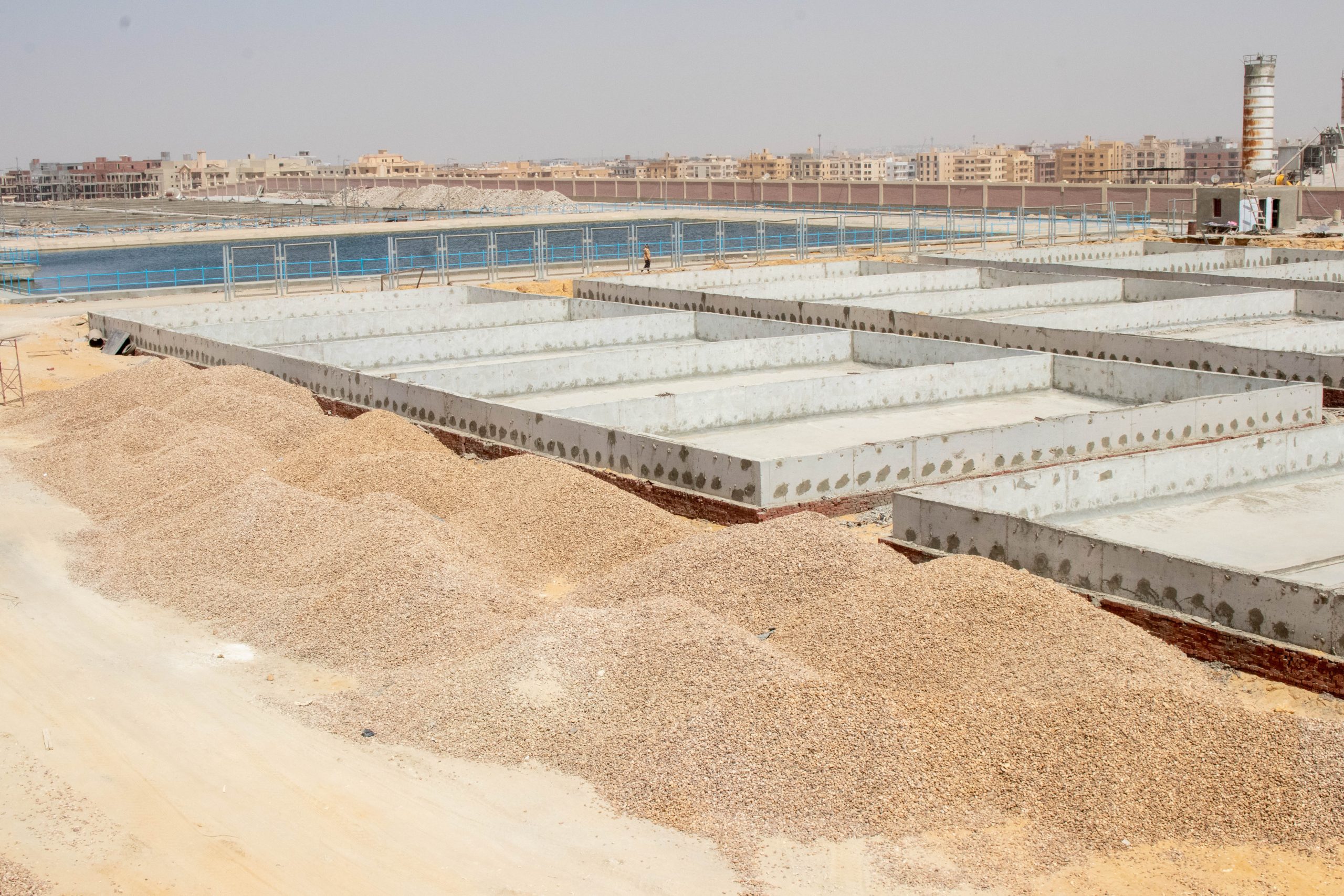
    • Constructed as shallow basins with impermeable bottoms to prevent water percolation. Sidewalls may be present to contain the sludge.
  2. Sludge Application:
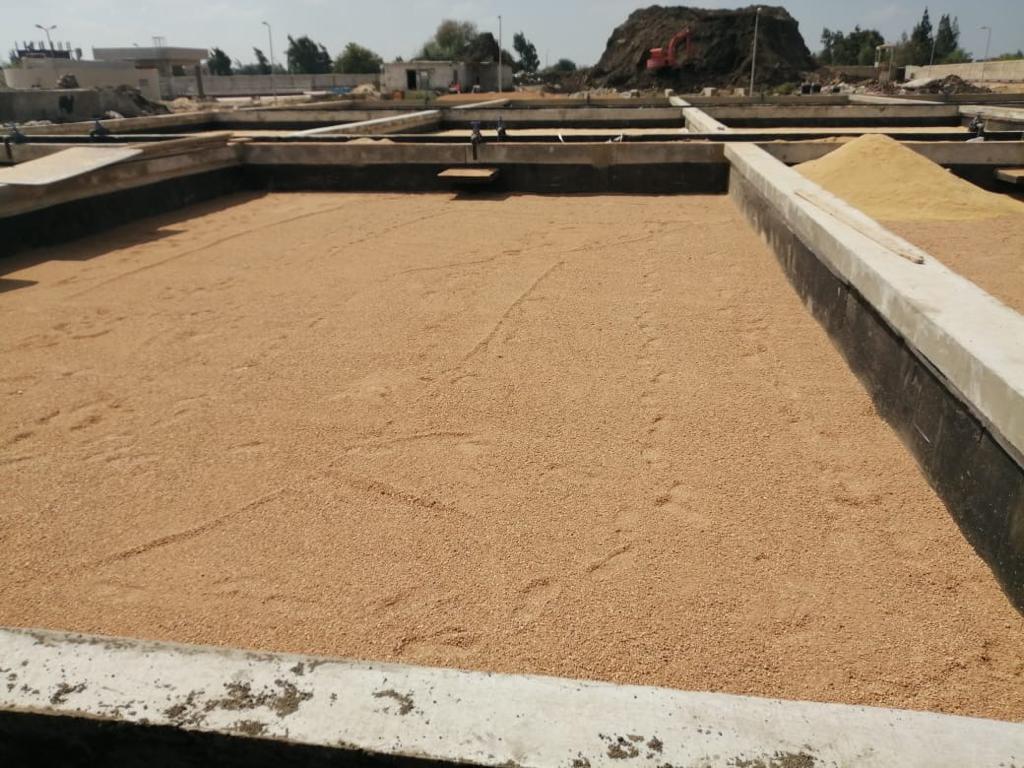
    • Sludge evenly spread onto the bed surface, forming a uniform layer. Thickness varies based on design and sludge characteristics.
  3. Drainage System:
    • Equipped with a drainage system, including underdrains or perforated pipes, to collect water draining from the sludge during drying.
  4. Sunlight and Air Exposure:
    • Relies on natural sunlight and air exposure for the drying process. Open to the atmosphere for evaporation and solar drying.


Advantages:

  1. Cost-Effectiveness:
  2. Environmentally Friendly:
  3. Simple Operation:
  4. Land Application:


Applications:

  1. Municipal Wastewater Treatment Plants:
  2. Agricultural Reuse: