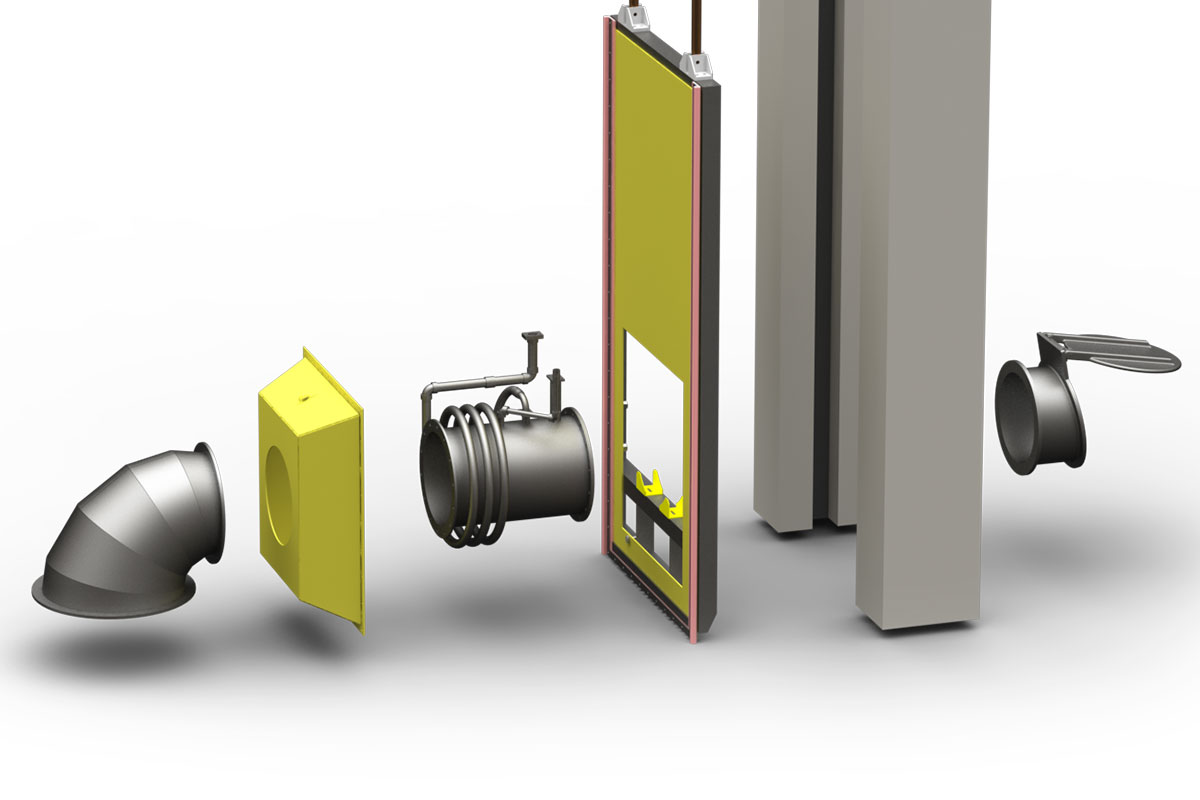
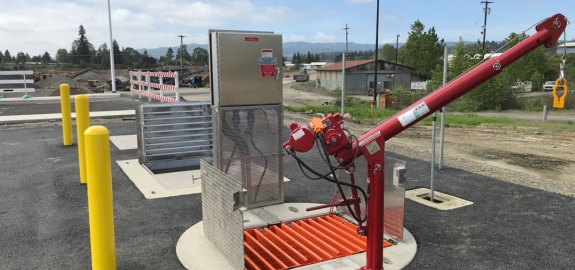
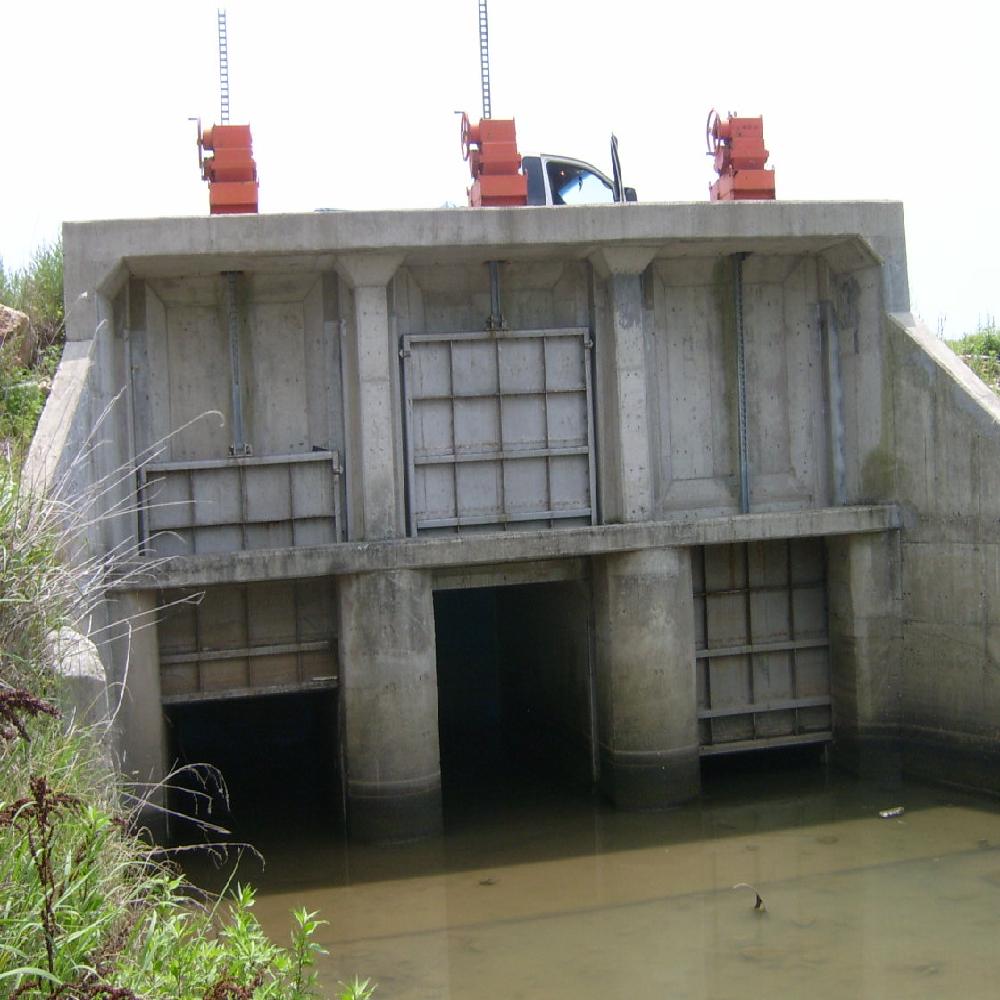
In pump stations, controlling flow by gates refers to the use of gates or valves to regulate and control the flow of water through the system. These gates are strategically placed at various points in the pump station and are operated to manage the volume and pressure of water within the system. The control gates play a crucial role in optimizing the operation of the pump station and ensuring that water is efficiently moved through the treatment process.
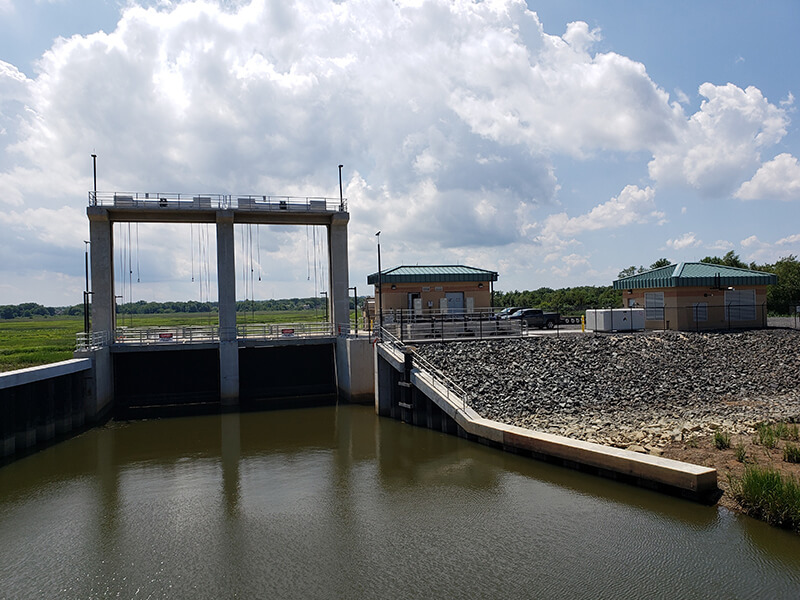

Key Aspects of Control Flow by Gates in Pump station:
Tikal design Features:-

  1. Inlet and Outlet Gates: Gates are commonly installed at the inlet and outlet points of the pump station to control the flow of water into and out of the station.
  2. Valve Operation: Gates can be manually or automatically operated, and their settings can be adjusted to regulate the flow rates.
  3. Flow Diversion: Gates may be used to divert or direct the flow of water to different treatment processes or storage facilities within the pump station.
  4. Pressure Control: Control gates are instrumental in maintaining optimal pressure levels within the system, preventing issues such as water hammer or excessive pressure in the pipes.


Application of Tikal Control Flow by Gates:
Gates advantage


  1. Flow Optimization: Tikal Gates are used to optimize the flow of water through the pump station, ensuring that it matches the capacity of the pumps and meets the demand of the treatment processes.
  2. Emergency Shutdown: In the event of equipment failure or other emergencies, Tikal gates can be used to quickly shut down or isolate sections of the pump station to prevent further issues.
  3. Distribution to Multiple Processes: In larger pump stations that serve various treatment processes or distribute water to different areas, Tikal control gates are essential for directing the flow appropriately.