In water treatment, a pump station, also known as a lifting station, plays a crucial role in the movement of water within the treatment system. The lifting process, facilitated by pump stations, involves raising the water from a lower elevation to a higher one, overcoming gravitational forces to ensure the efficient transportation of water through various stages of the treatment process. Here’s an insightful look into the components and processes that make Tikal Pump Stations unparalleled in performance:
Pump/Lifting Station:
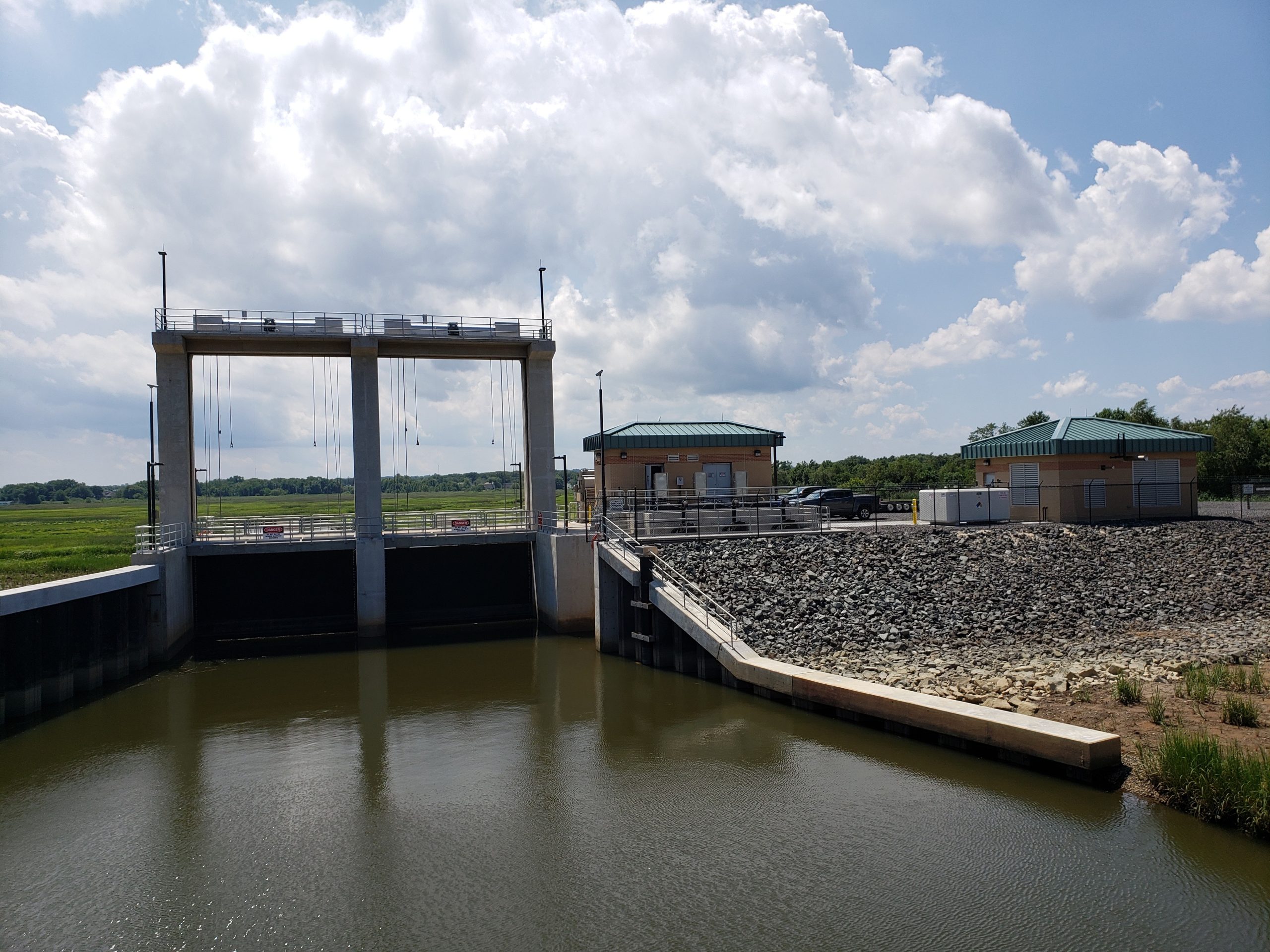
A pump station, often referred to as a lifting station, is a facility equipped with pumps and associated control systems designed to lift water from a lower elevation to a higher elevation or to overcome hydraulic head losses in a water conveyance system. Pump stations are integral components of water distribution systems, wastewater treatment plants, and various industrial processes where the movement of water against gravity is necessary.
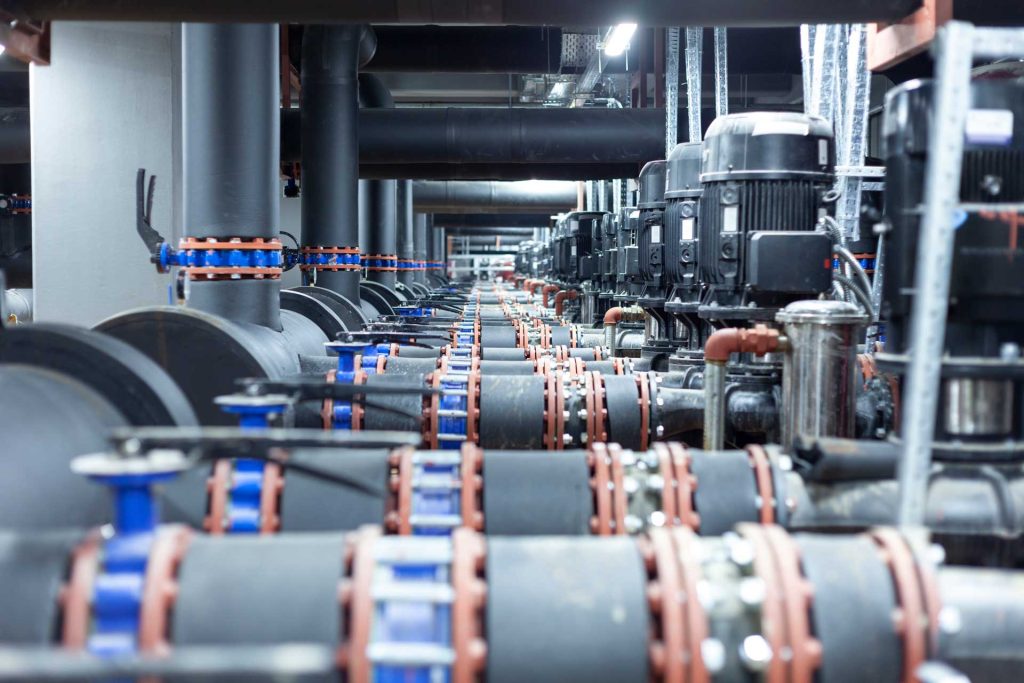
Pumps: The primary components responsible for lifting or moving water. Various types of pumps, such as centrifugal pumps or positive displacement pumps, may be used based on the specific requirements of the system.
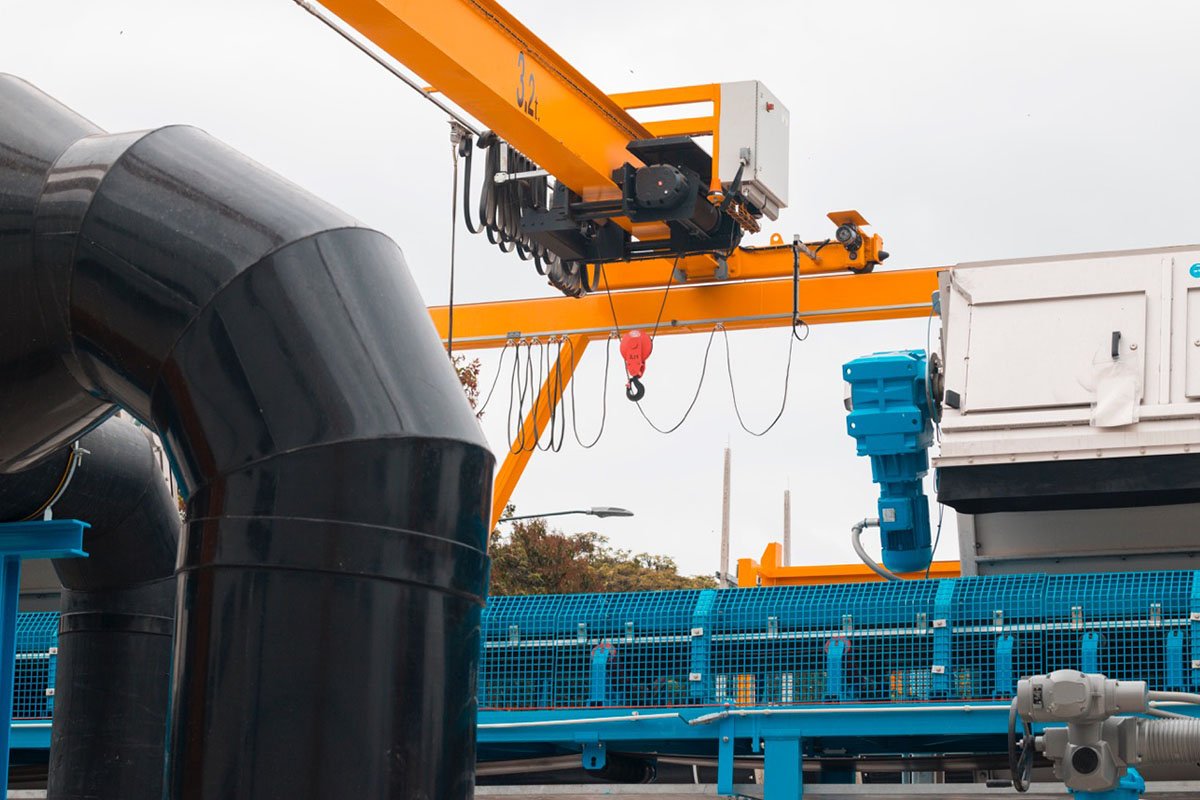
Piping: The network of pipes that conveys water from the source to the pump station and then to its destination. Piping is designed to handle the flow rate and pressure requirements.
Valves: Valves control the flow of water within the pump station, allowing operators to regulate the rate of pumping and adjust pressure levels.
Control Systems: Automated control systems monitor and manage pump operation, ensuring optimal performance, energy efficiency, and protection against potential issues like pump cavitation or system overloads.
Electrical Components: Electrical systems provide power to the pumps and control the operation of various components within the pump station.
The Lifting Process:
The lifting process in water treatment involves the movement of water from a lower elevation to a higher elevation, overcoming the force of gravity. This process is essential for transporting water through treatment stages, overcoming natural topographical variations, and maintaining a consistent flow in the distribution system. The lifting process is typically achieved using pumps located within pump stations.
Key Steps in the Lifting Process:
Intake and Inlet: Water is initially drawn from a lower elevation, such as a reservoir or a collection basin, through intake structures or inlets.
Pump Operation: Pumps within the pump station are activated to lift the water. The type of pump used depends on factors like flow rate, head requirements, and the characteristics of the water being lifted.
Pressure Generation: As the pumps lift the water, they generate pressure in the piping system, allowing the water to move against gravity.
Transportation: The pressurized water is then transported through the piping system to its destination, which could be a treatment facility, storage reservoir, or distribution network.
Discharge: At the higher elevation or destination, the water is discharged from the piping system, and the lifting process is completed.
Importance of Pump Stations:
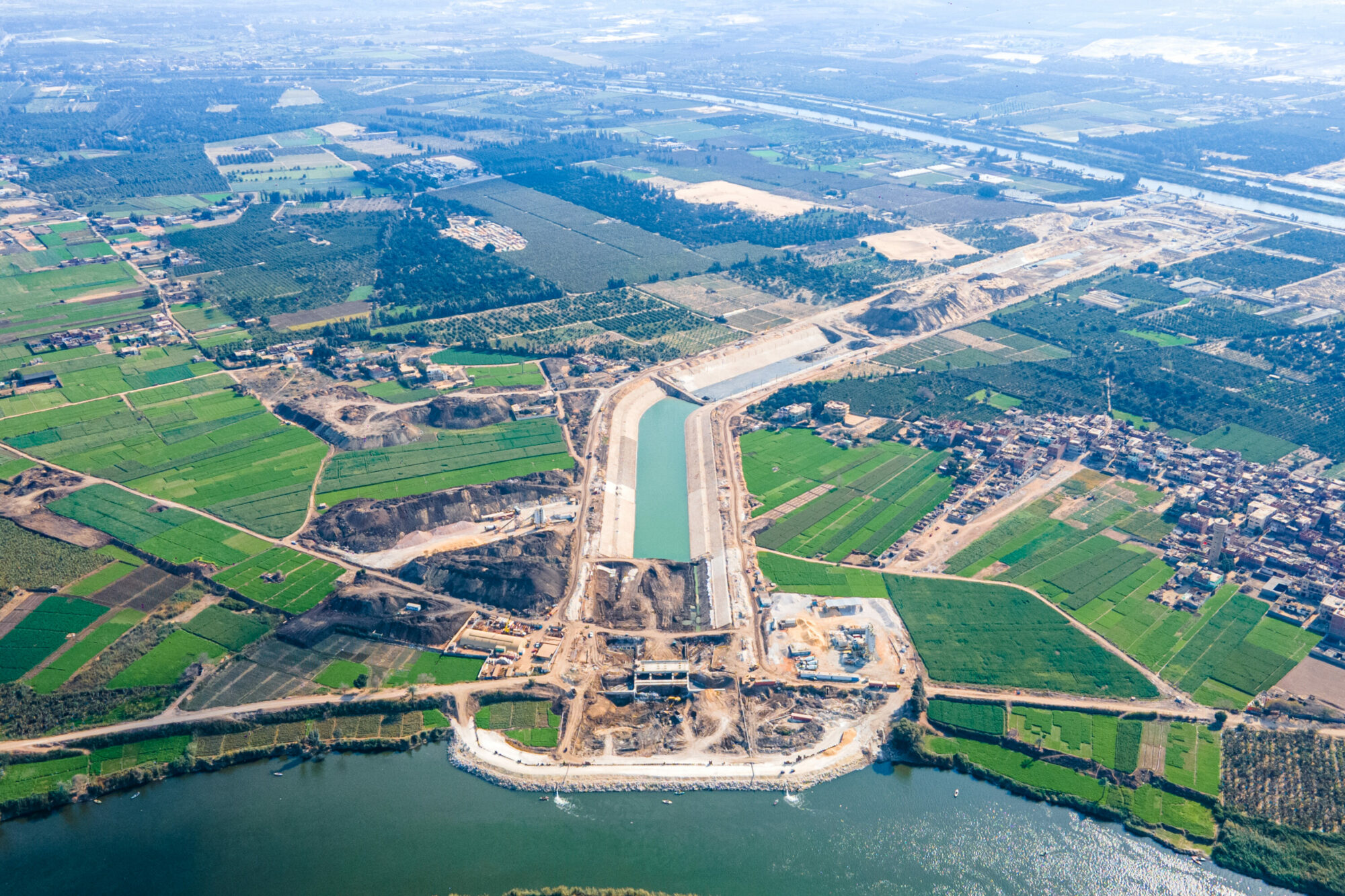
Pump stations are critical for maintaining water supply and treatment processes in situations where natural elevations or distances between water sources and treatment facilities make gravitational flow impractical.
Crucial for water supply in challenging terrains, Tikal Pump Stations find applications in municipal water supply, wastewater treatment, industrial processes, and irrigation systems.
Key Considerations in Tikal Pump Station Design:
Hydraulic Design: Ensuring that pumps are appropriately sized to meet flow rate and head requirements.
Energy Efficiency: Implementing measures to optimize energy usage and reduce operational costs.
Reliability and Redundancy: Incorporating redundant pumps and systems to ensure reliability and continuity of service.
Safety Measures: Implementing safety features to protect against equipment failure, overloads, and other operational risks.

Leave a Comment on Water Hammer