Tikal Belt Conveyors: Streamlining Material Handling in Wastewater Treatment

At Tikal, our Belt Conveyors stand as a testament to efficiency and reliability in transporting screened materials seamlessly from the screening unit to subsequent treatment processes or disposal points. Explore the features and advantages that define our Belt Conveyors:
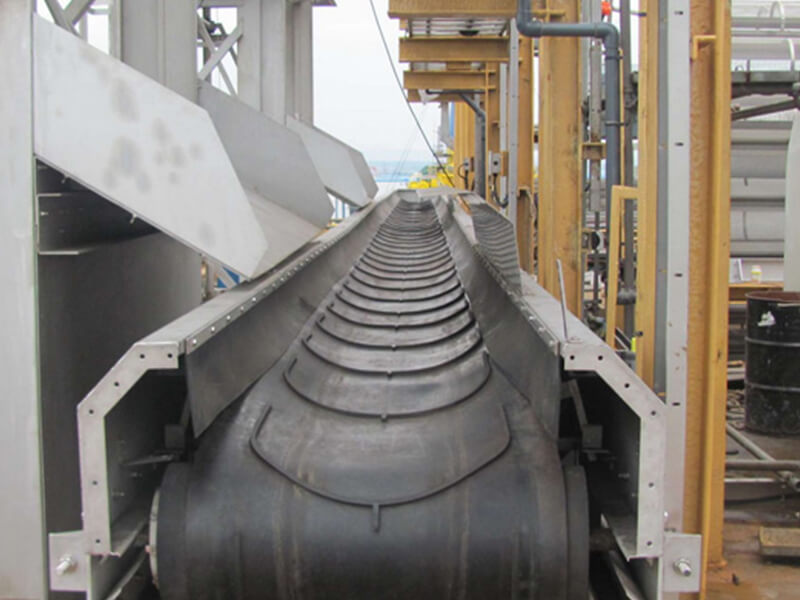

Features:

  1. Screened Material Handling:
    • The primary purpose of the belt conveyor in a screening system is to handle and transport the screened material. This material may include screenings, debris, or other solid particles separated from the wastewater during the screening process.
  2. Durable Belt Material:
    • The conveyor belt is made of durable materials such as rubber or other synthetics to withstand the abrasive nature of the screened materials and the operational demands of the wastewater treatment environment.
  3. Adjustable Incline:
    • Equipped with variable speed controls, allowing operators to adjust conveyor speed based on material volume and characteristics for optimal efficiency.
  4. Variable Speed Control:
    • Variable speed controls allow operators to adjust the conveyor speed based on the volume and characteristics of the screened material, optimizing the efficiency of material transport.
  5. Idlers and Pulleys:
    • Strategically placed idlers and pulleys guide and support the conveyor belt, ensuring smooth and reliable operation.
  6. Cleaning Mechanisms:
    • Integrated with cleaning mechanisms such as scrapers and brushes to prevent material buildup, facilitating easy maintenance and keeping the belt free from debris.


Tikal Design Considerations:                      

  1. Material Compatibility:
    • The design of the belt conveyor should consider the type and characteristics of the screened material to ensure that the conveyor components are resistant to wear and corrosion.
  2. Incline and Decline:
    • The conveyor’s incline or decline angle should be carefully designed to suit the layout of the treatment plant and the requirements of the downstream processes.
  3. Capacity and Throughput:
    • The design should account for the anticipated volume of screened material and the conveyor’s capacity to handle it efficiently.
  4. Emergency Stop and Safety Features:
    • Safety features such as emergency stop buttons and guards should be integrated into the design to ensure the safety of operators and maintenance personnel.

Belt Conveyor Advantages:

  1. Efficient Material Handling:
  2. Customization:
  3. Reduced Manual Handling:
  4. Integration with Downstream Processes:

Operational Control: