coagulation Process in Potable/Municipal Water Treatment Plants:
The coagulation process is a pivotal step in municipal water treatment, ensuring the production of potable water. It involves adding chemical coagulants to raw water, destabilizing and aggregating colloidal and suspended particles for removal in subsequent processes
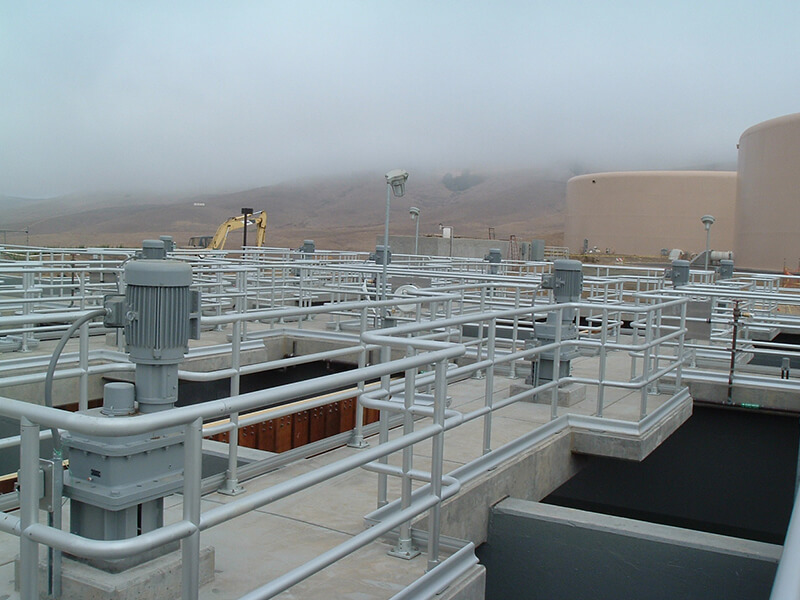
Components and Materials Needed for the Coagulation Process:
Coagulants:
Aluminum-Based Coagulants (Alum): Aluminum sulfate (alum) is a commonly used coagulant in water treatment. It dissociates in water to form aluminum hydroxide, which acts as a coagulant.
Polyaluminum Chlorides (PAC): PACs are aluminum-based coagulants that offer advantages over alum, including a higher charge density and efficiency at lower doses.
Ferric Salts: Ferric chloride and ferric sulfate are examples of iron-based coagulants used in water treatment.
Mixing Equipment:
Flash Mixers: These are mechanical mixing devices used to rapidly disperse the coagulant into the water. Flash mixers provide intense, short-duration mixing, while flocculators provide longer-duration, gentler mixing for optimal coagulation.
Dosage Control System:
Chemical Feed Systems: Systems for precise dosing of coagulants into the water. This ensures that the right amount of coagulant is added to achieve effective coagulation without overdosing.