Tikal Effluent Collection Solutions: Ensuring Precision and Efficiency

The effluent collection is a pivotal stage in water treatment, marking the culmination of the treatment process. The term “effluent” generally refers to the liquid discharged from a treatment process, and the effluent collection stage is a critical step in ensuring the efficient management and utilization of the treated water. Tikal Water Systems takes pride in offering versatile effluent collection solutions that cater to diverse treatment needs, ensuring the seamless management and utilization of treated water.
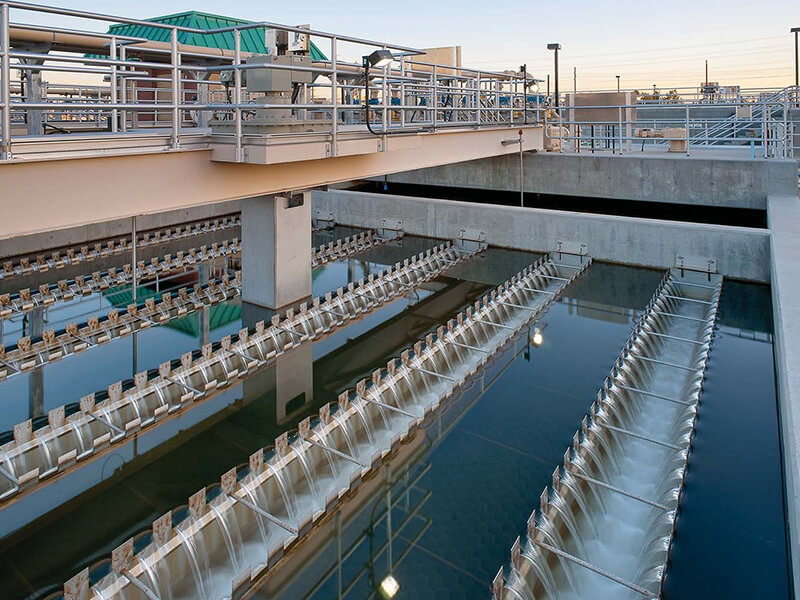

Types of Effluent Collection Systems:

  1. Effluent Weirs:
    • Effluent weirs are commonly used in sedimentation basins, clarifiers, and other settling tanks. A weir is a structure placed at the water surface level that allows for the controlled overflow of clarified water. The design of the weir ensures that settled solids or sludge remain in the basin while allowing clarified water to exit.
  2. Effluent Piping Systems:
    • In many water treatment processes, especially in advanced treatment stages or when dealing with specific treatment units, effluent is collected through a network of pipes. These pipes are strategically designed to carry the treated water from one unit to another or to a storage facility. The use of piping systems provides flexibility in directing the flow of effluent.
  3. Effluent Launder Systems:
    • Launder systems are channels or troughs designed to carry the effluent away from the treatment unit. They are often used in settling tanks or clarifiers and provide a controlled pathway for the clarified water to move from the treatment unit to the next stage or facility.
  4. Effluent Channels:
    • Effluent channels are open channels or conduits that direct the flow of treated water from one point to another. These channels may be lined with materials resistant to corrosion and erosion, ensuring the integrity of the effluent collection system.

Usage and Importance:

Effluent collection systems find application in various scenarios, including:     

  1. Distribution for Potable Water
  1. Industrial Processes
  2. Agricultural Irrigation
  3. Environmental Discharge
  4. Reclamation and Reuse
  5. Monitoring and Quality Control
  6. Preventing Cross-Contamination


Materials for Effluent Collection Systems:

The choice of materials depends on factors such as application, treated water nature, and environmental conditions. Tikal offers systems in materials like:

  1. Stainless Steel
  2. HDPE/PVC
  3. Coated Steel

Galvanized/HDG steel.