Grit removal is a critical process in water treatment plants designed to eliminate grit particles from wastewater. Grit consists of small, dense particles like sand, gravel, and other heavy solids that can cause abrasion and damage to downstream equipment if not removed. The grit removal process helps protect pumps, pipes, and other mechanical components in the treatment plant, ensuring efficient and smooth operation of the overall treatment process.
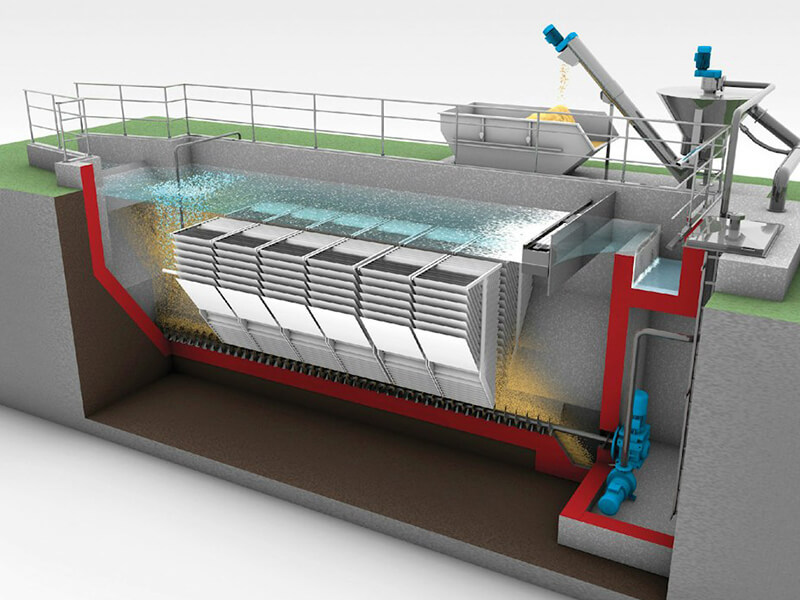
  1. Aerated Grit Chambers:
    • Description: Aerated grit chambers introduce air to create turbulence, facilitating the separation of grit particles.

The aerated water helps keep lighter organic materials in suspension while allowing grit to settle.

    • Application: Aerated grit chambers are effective in treating wastewater with a high organic content and are suitable for larger treatment plants.


Application:        

  1. Primary Treatment:
  2. Protection of Equipment:
  3. Prevention of Sedimentation:

Grit Removal Features:                          

  1. Grit Classifier:
    • Many grit removal systems incorporate a grit classifier, which helps separate organic material from the grit, ensuring efficient grit removal without unnecessarily removing organic matter.
  2. Automatic Grit Collection:
    • Some modern grit removal systems feature automatic collection mechanisms to continuously or intermittently remove settled grit, minimizing manual intervention.


Tikal Design Considerations:                           

  1. Flow Rate and Velocity:
    • Grit removal systems are designed to accommodate the flow rates of the incoming wastewater, ensuring that the velocity is sufficient for effective grit settling.
  2. Grit Chamber Geometry:
    • The design of the grit chamber, whether gravity-based, aerated, or vortex, involves considerations of chamber geometry to optimize the settling and removal of grit particles.
  3. Grit Sump Design:
    • The design of the grit sump, where settled grit is collected, includes features to facilitate easy removal and disposal of the grit.

Grit removal Advantages:

  1. Equipment Protection: Tikal’s grit removal solutions protect downstream equipment, extending the operational life of pumps, valves, and pipes.
  2. Prevent Sedimentation: Removal of grit minimizes the potential for sedimentation in settling tanks, ensuring the ongoing efficiency of the treatment process.
  3. Operational Efficiency: Effective grit removal enhances the overall operational efficiency of water treatment plants, reducing the need for maintenance and unplanned shutdowns.

Improved Treatment Performance: Tikal’s grit removal solutions ensure downstream treatment processes operate more effectively, free from interference caused by abrasive grit particles.