Tikal Scraper Bridge: Precision Sludge Removal for Optimal Clarifier Performance The Scraper Bridge, a pivotal mechanical component in water treatment, is deployed for the efficient removal of settled solids, sludge, or scum from sedimentation basins or clarifiers. At Tikal Water Systems, we recognize the critical role clarifiers play in water treatment processes, and our Scraper Bridge stands as a testament to our commitment to seamless and effective clarifier operation.
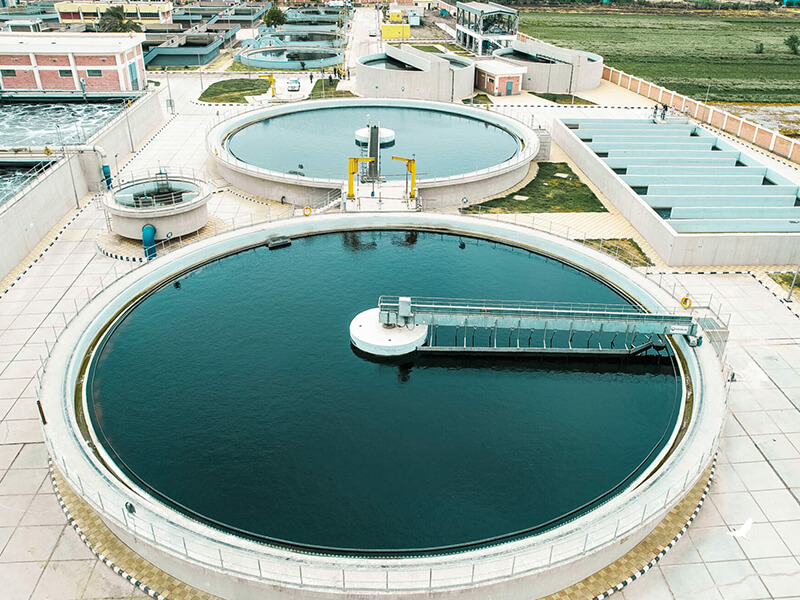

Types of Scraper Bridges:

  1. Full-Bridge Clarifier: – Photo
  • Ideal for larger basins, the full-bridge design spans the entire width of the clarifier, ensuring comprehensive sludge removal.
  1. Half-Bridge Clarifier: – Photo
    • Suited for smaller basins or where center access is unnecessary, the half-bridge design covers only half of the clarifier’s width.
  2. Rotating Bridge Clarifier: – Photo
    • Equipped with movement along peripheral rails or tracks, offering flexibility in positioning sludge removal equipment.
  3. Travelling Bridge Clarifier: – Photo
    • Travelling bridge clarifiers move along rails or tracks installed on the periphery of the clarifier. This design provides flexibility in the positioning of the sludge removal equipment.
  1. Clariflocculator Bridge Clarifier: – Photo
  • is a combination of a clarifier and a flocculator within a single unit. This specialized structure is designed to efficiently perform both clarification and flocculation processes, thereby optimizing the removal of suspended particles and impurities from water.


Tikal Design and selection Considerations

  1. Clarifier Size:
    • The size and diameter of the clarifier influence the type and design of the clarifier bridge needed. Larger clarifiers may require full-bridge designs or rotating bridges for comprehensive sludge removal.
  1. Access Requirements:
    • The need for access to the center of the clarifier or specific areas may influence the choice between full-bridge and half-bridge designs.
  2. Drive Mechanism:
    • The selection of the drive mechanism depends on factors such as basin size, power requirements, and operational preferences. Electric motors and hydraulic systems are common drive options.
  3. Peripheral or Center Drive:
    • The decision to use a peripheral or center drive depends on the clarifier’s size and the desired access to the center of the basin.
  4. Maintenance Considerations:
    • Ease of maintenance is an important consideration. Designs that facilitate access for inspection and maintenance of the bridge components contribute to the overall efficiency of the clarifier.
  5. Operational Flexibility:

The operational flexibility of the clarifier bridge, including its ability to adapt to varying clarifier loadings and influent characteristics, is a crucial consideration in selecting the appropriate design.